Demirtaş calls for clarity on Öcalan's conditions
What happened?
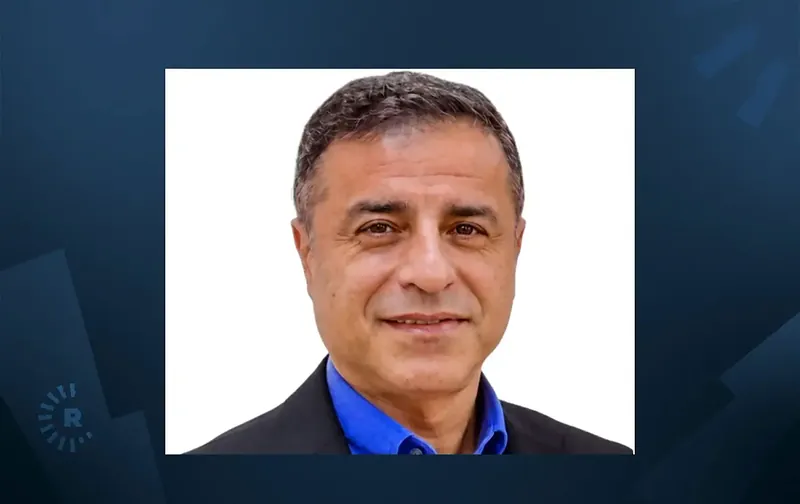
In an article dated 3 November 2026, Selahattin Demirtaş, the former co-chair of the Peoples' Democratic Party (HDP) who is being held in a prison in Türkiye's Edirne province, called on all actors in the process to take responsibility. Demirtaş drew a distinction between the obligations of the state and those of the organisation: "The state's responsibility to democratise, to establish legal guarantees and to open the way for freedoms, and the organisation's responsibility to advance disarmament cannot substitute for each other."
The process, which the Turkish government calls "Terror-Free Türkiye" and which the Peoples' Equality and Democracy Party (DEM Party) has also endorsed, has recently been in the spotlight amid debate over whether it has stalled. Nationalist Movement Party (MHP) leader Devlet Bahçeli had described these debates as "exploitation". Demirtaş has completed his 10th year in prison.
According to Demirtaş, the most urgent step to be taken is to clarify the status, means and conditions under which Abdullah Öcalan can play his role. Demirtaş said that as long as this step is delayed, the process will keep going through ups and downs. He stated that Öcalan's working and communication conditions do not concern him alone. In his view, these conditions are also necessary for implementing the disarmament decision and for healthy communication between the actors.
Demirtaş argued that Öcalan has long been aware that armed struggle has been defeated by time. He also asserted that Öcalan has invited the organisation and the state to change at the same time.
Demirtaş called on the entire opposition, first and foremost the DEM Party, to adopt a constructive political language. He said it would ease the process if the Kurdistan Workers' Party (PKK) sped up the disarmament phase with a courageous and determined stance. In his view, the mistrust created by broken promises cannot be removed by calls for goodwill alone.
Demirtaş argued that the actors of the process cannot build peace on their own and that society must also be a subject of peace. He ended his article with these words: "Let us first face the risks together and overcome the obstacles jointly, so that afterwards all peoples can reap the fruits together and we all win together."