Kerosene distribution to begin in Dihok
What happened?
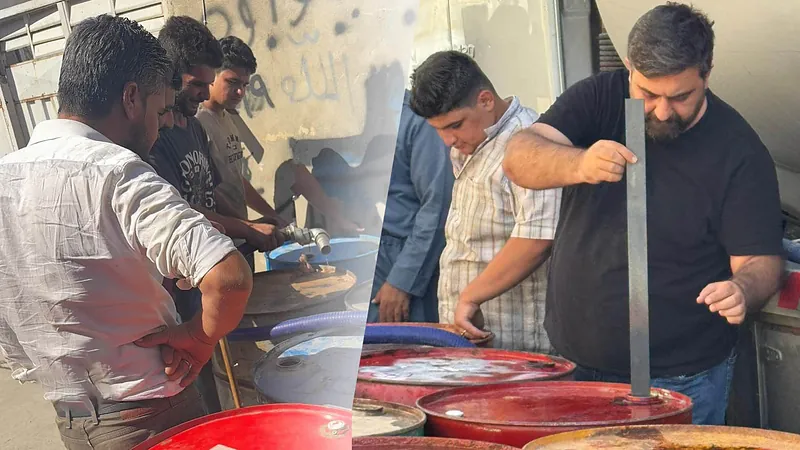
The first convoy of kerosene sent for household use reached depots in governorate on the night of Tuesday, 17 November 2026. Distribution was scheduled to begin on Wednesday, 18 November, in the governorate's mountainous areas.
The Kurdistan Region's Ministry of Natural Resources said in a statement on Tuesday that the convoy had been loaded following intensive contacts with the federal Ministry of Oil. According to the Ministry of Natural Resources, distribution will be carried out through the Dihok Directorate of Oil and Minerals. The ministry said the share for the , and governorates and for independent administrations had also been approved.
Dihok's Director of Oil and Minerals, Karzan Reûf, said all preparations had been completed together with the Dihok Governorate. According to Reûf, the first phase will cover the cold areas of , Kanî Masî and Bêkova in Dihok governorate. Reûf said Dihok's share, including the independent administration, was 10,792,000 litres.
Hewlêr Deputy Governor Hêmin Qadir said distribution in Hewlêr governorate would take place first in Soran, Şeqlawe, Xelîfan, Koye and Pîrmam. Qadir said Hewlêr's share, including the Soran independent administration, was 18,700,000 litres.
Selam Omer, spokesperson for the Silêmanî Directorate of Oil and Minerals, said: "No date has been given to us. The company concerned has gone to bring the kerosene." According to Omer, the share for Silêmanî and Helebce is around 20 million litres.
The Hewlêr, Dihok and Silêmanî governorates were reported to have paid the cost to Iraq's petroleum products distribution company. Iraqi Prime Minister Ali Falih Zeydi decided on 2 November to send kerosene. The Iraqi Council of Ministers formally approved 50 million litres on 4 November. The price was set at 250 dinars per litre.
Felah Seyîd Mewlûd, Director General of Mineral Investments at the Ministry of Natural Resources, had earlier said they had requested 268,710,600 litres this year. According to Mewlûd, the Iraqi government will send only 50 million litres, or 19 percent of what is needed.