Fehmî Burhan calls for Article 140 solution for Kurdistani areas
What happened?
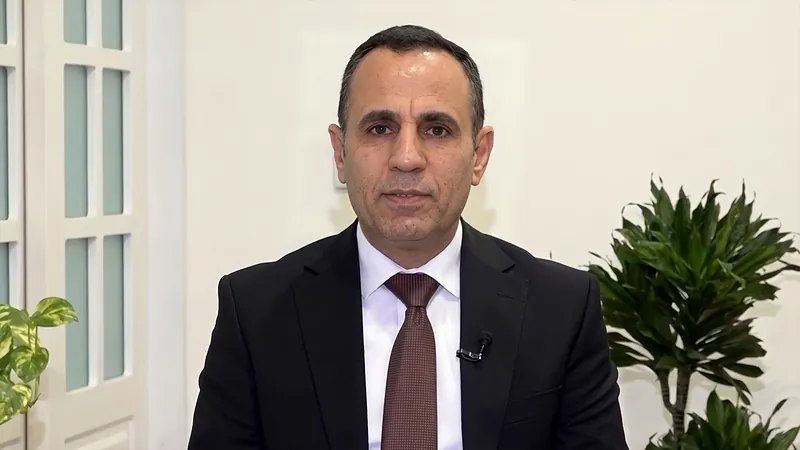
Fehmî Burhan, head of the General Authority for Kurdistani Areas outside the Kurdistan Region Administration, called on Sunday, 1 November 2026, for the problems of these areas to be resolved in accordance with the constitution. In Burhan's view, these areas represent the strategic depth and national identity of the people of Kurdistan. He also warned of the negative repercussions of internal disputes in the Kurdistan Region on these areas.
The places Burhan listed include province and Xaneqîn in Diyala province. The list also includes district in province, Mexmûr district, also in Nineveh, and the Nineveh Plains. Burhan said these areas are the core cause of the people of Kurdistan. In his view, the Kurds' struggle, revolutions and diplomatic efforts over the past hundred years have centred on the future of these areas.
Burhan said the issue is a national cause that goes beyond party calculations. It cannot, he said, be reduced to an electoral right or to winning a few seats in Kerkûk or Nineveh. Burhan argued that whether or not any party enters parliament will not change this historical reality.
"There is no alternative to the constitution, and the legal basis for resolving the disputes is Article 140 of the Iraqi constitution, which has political and legal dimensions," Burhan said. He added that security understandings between and Baghdad cannot take the place of this article.
Burhan called on the Kurdistan Regional Government and the federal government to make joint administration work within the framework of a federal Iraq. He called for the joint operations rooms from Xaneqîn to Şingal to be reactivated, saying the aim is to prevent Baghdad from taking decisions on these areas on its own.
According to Burhan, the biggest risk is Baghdad's failure to abide by the constitution and the laws in force. He said the agricultural land law had been passed without its implementing regulations being issued. In his view, rapid demographic changes have been taking place since 2003. Burhan said the demographic balance has been upset in Kerkûk, whose population exceeds two million, and attributed this to directed population growth in places such as Hewîce, Ebasî and Zab. According to Burhan, this has had a negative impact on the balance between nationalities for the Kurds and the Turkmen community.