Fuel crisis leaves many families in Hesekê struggling
What happened?
Residents of the city of in () are finding it increasingly difficult to obtain the fuel they need for heating. As diesel prices rise, people's purchasing power is falling. Although winter is approaching, distribution of this season's heating allocation has not yet begun.
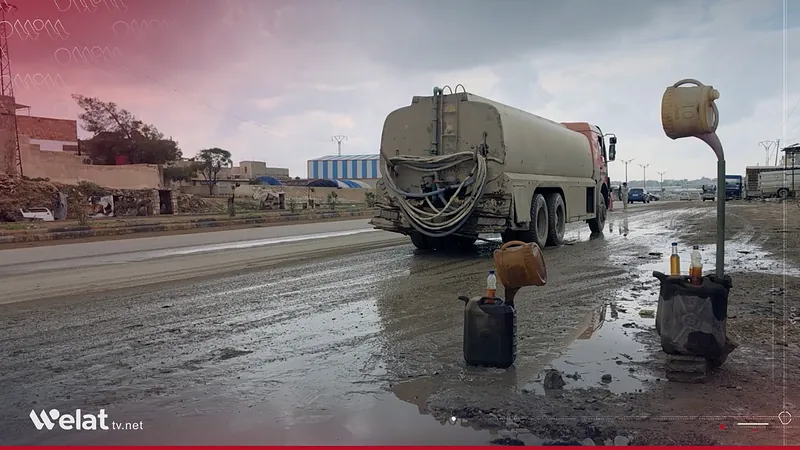
Residents of the city said fuel was in short supply at petrol stations. They said they had turned to the black market to meet their needs. According to the residents, black-market prices are beyond the means of many families.
Khalid al-Ubaid said a barrel of diesel had risen to about 2.5 million Syrian pounds. According to al-Ubaid, a litre of diesel cost a thousand pounds last year. Al-Ubaid called on the relevant institutions to provide fuel. He also asked that each family be given 200 litres at a subsidised price.
Mohammed Bashir said high fuel prices were making heating difficult. Bashir said the situation was particularly hard on families with children and elderly members. Bashir also said stove purchases had declined because of worsening living conditions.
Mustafa al-Ali said a barrel of diesel had reached about 2.3 million pounds. According to al-Ali, the price of firewood has also risen to 400,000 pounds. Al-Ali added that many families were struggling to meet even basic needs such as bread and water.
Ali Muslih, for his part, said the rise in petrol prices had increased the burden of work and living costs. Muslih said fuel expenses were consuming a large part of their income. Muslih called for fuel prices to be lowered.
At the beginning of November, the price of a 220-litre barrel of diesel was reported to have risen to about 300 dollars. The increase came as distribution of the heating allocation had yet to begin. Families had previously received 300 litres of diesel per family card. Without this allocation, families are forced to buy fuel on the black market at prices beyond their purchasing power. The price rise and the absence of subsidised distribution are deepening residents' worries about the winter.