Fur coats return to clothing shop windows in Hesekê
What happened?
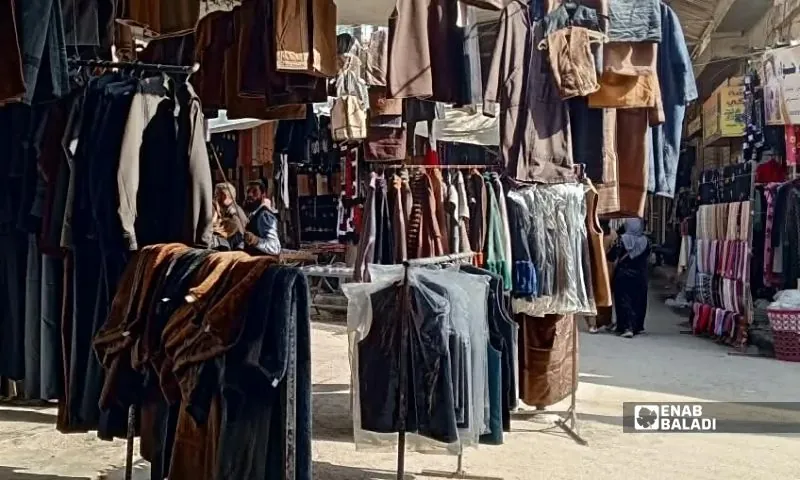
As the weather turns cold in the city of in (), fur coats have returned to the windows of traditional clothing shops. The fur coat is foremost among the winter garments identified with the heritage of the Cizîr region. In recent years it has been drawing renewed interest, especially among young people.
The central market in Hesekê sells a range of types, from synthetic fur to models made of thicker material. Saad Ahmed, a seller of traditional winter clothing, said prices vary with quality and material. According to Saad Ahmed, lighter models start at around 2,000 Syrian pounds (200,000 old pounds). Prices go up to 5,000 pounds (500,000 old pounds). Ahmed said the price of the "tafali" fur coat, whose lining is made of natural fur, exceeds 250 dollars. He added that there is rarely any demand for this model.
Fevzi Hammud, one of the shoppers at the market, said the fur coat used to be regarded as a garment for older men. According to Hammud, the spread of synthetic fur coats has revived young people's interest. In Hammud's view, the fur coat has now become a practical option for young people at work and in daily life.
Heritage researcher Hasan Ahmed said the fur coat was more widespread before 1950. At that time nomadic life and goat-hair tents dominated the region. The fur coat was also part of the wage known as the "shepherd's condition". This was the payment a flock owner made to a shepherd who herded his sheep for a year or longer.
Ahmed Davud, a traditional clothing tailor, explained that making a tafali fur coat begins with selecting suitable lambskins. The skins must be free of holes and tears. They are then cleaned and tanned with the wool left on. According to Davud, the tanning method affects the suppleness of the skin and the lifespan of the coat. The pieces are stitched on the skin side, with the wool staying on the inside. The outer face is mostly covered with a thick black fabric.