Water shortage threatens Enber Bo rice production in Îlam
What happened?
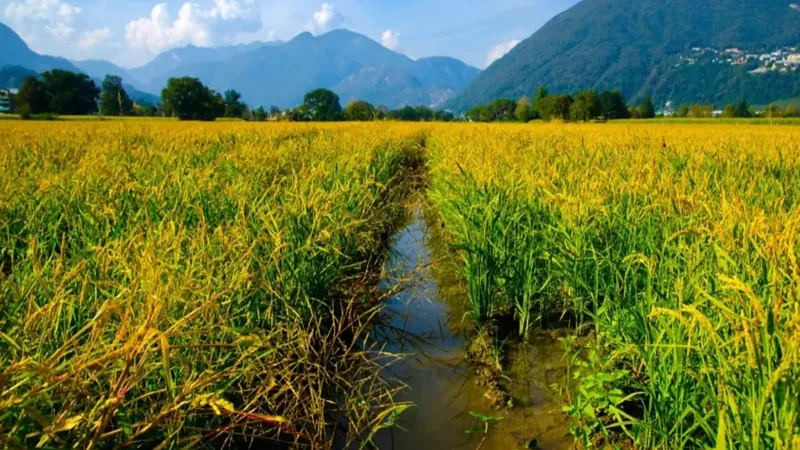
Enber Bo rice, grown on the plains of Sîrwan in Îlam province in (), is known for its distinctive taste and aroma. The rice carries the historical agricultural memory of the area and is also regarded as part of the region's cultural and economic identity. Today this deep-rooted heritage faces a major obstacle because of water shortages and climate change.
Enber Bo rice production has been part of the lives of villagers in the province for generations, it was reported. The rice has travelled from household tables to markets outside the province. Its importance led to an initiative to register it on Iran's national list of intangible cultural heritage. The rice is also being used to develop agritourism.
Rainfall has declined in Rojhilat and water resources have remained limited, leaving farmers who grow water-intensive crops facing serious difficulties. In some areas, the land planted with this rice has shrunk.
"Water shortage should not lead to the abandonment of Enber Bo rice cultivation; on the contrary, a scientific plan should be prepared for it," said Ali Najafi Far, head of the Îlam Province Agricultural Research and Education Centre. Najafi Far recommended using early-maturing, drought-resistant varieties and listed the wider adoption of modern irrigation methods among the solutions. He said fields should be levelled with laser technology to prevent water waste, and called for guidance and training to be provided to farmers.
Despite the environmental problems, the crop remains a source of livelihood for many rural families. Alireza Tulabi, head of the Îlam Province Agricultural Jihad Organization, said Sîrwan is the main centre of production. According to Tulabi, the area planted with rice in Sîrwan has exceeded 1250 hectares. Tulabi said they expect around 4000 tonnes of white rice to be produced. He stressed that rice cultivation plays an important role in creating jobs and providing income for local people, adding that it also meets the needs of the domestic market.
Ali Hosseini, director of Agricultural Jihad in Sîrwan, said protecting the crop does not only mean securing water. According to Hosseini, it also means preserving the experience and knowledge farmers have accumulated from generation to generation. Hosseini said the directorate supports farmers through field visits. He said they distribute certified seed and fertiliser and provide easy, low-interest loans. The aim, Hosseini said, is for production to continue on a scientific and modern basis.