Iraqi prime minister approves liquefied gas supply to Kurdistan Region
What happened?
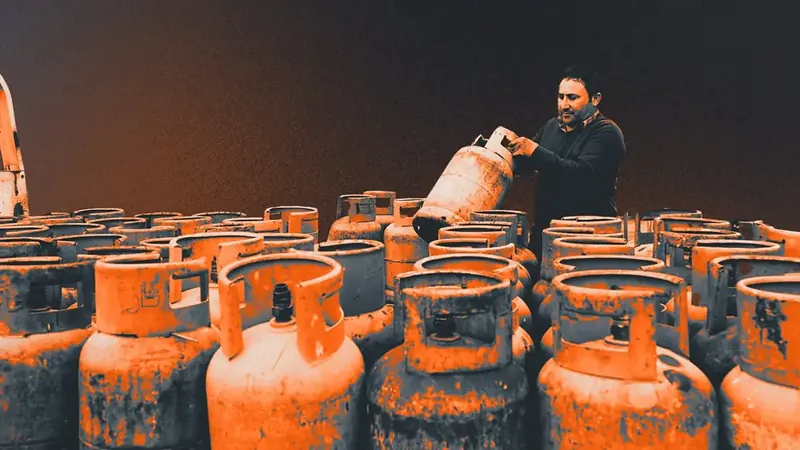
The Kurdistan Region's Ministry of Natural Resources announced that the Iraqi prime minister has approved supplying the liquefied gas needed by the people of the region. According to the ministry, the support will continue until production resumes at the Kormor gas field in province.
The ministry issued a written statement on Monday, 9 November 2026. The statement read: "Following a request made by the Ministry of Natural Resources on 9 November 2026, the chairman of the federal Council of Ministers gave his approval and tasked the federal Ministry of Oil with securing the required quantity of liquefied gas for the citizens of the Kurdistan Region until production resumes at the Kormor gas field."
The ministry also sought to reassure citizens. It said it was making every possible effort to prevent any shortage or crisis in gas for household use, and that this effort would continue until production at Kormor returns to its normal level.
The Kormor field was targeted by a drone attack on the night of Sunday, 8 November. Gas production at the field stopped after the attack. Kormor is the main source of electricity generation in the Kurdistan Region.
After the attack, the ministries of Natural Resources and Electricity issued a joint statement, which said: "At 11 pm, the Kormor field was targeted in a terrorist act. The ministries of Natural Resources and Electricity are working to keep the impact of this terrorist attack on the hours of electricity supplied to subscribers to the lowest possible level and to return the situation to normal as soon as possible."
The Kormor field is located in the Qadirkerem subdistrict of Çemçemal district in Silêmanî province. It is operated by the United Arab Emirates-based company Dana Gas and its partners. The field is the main source of natural gas for the power plants in , Çemçemal and Bazyan, which meet most of the Kurdistan Region's electricity needs.