Iraq exports 500,000 barrels a day through Kurdistan Region pipeline
What happened?
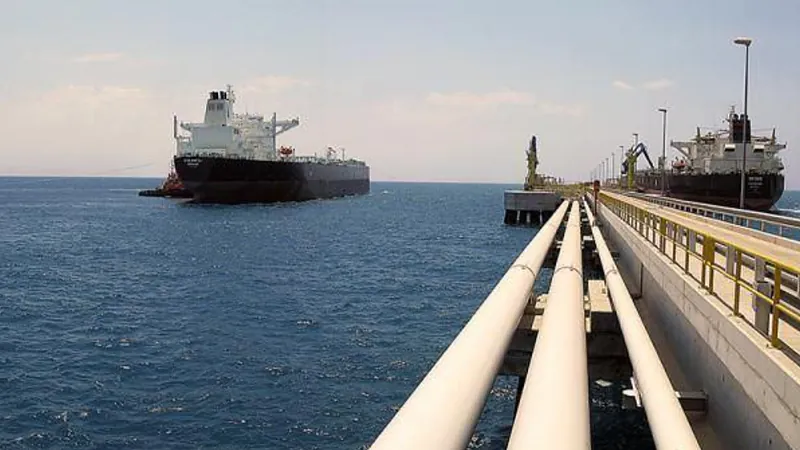
Exports of Iraqi crude oil through the Kurdistan Region pipeline have reached 500,000 barrels per day, an unnamed official at the North Oil Company said. According to the official, this is the highest level the pipeline has seen to date. The pipeline carries oil to the port of Ceyhan in Adana province.
The official said the increase is based on a joint agreement between SOMO and the Kurdistan Region's Ministry of Natural Resources. SOMO is Iraq's state oil marketing company.
According to the information provided by the official, the daily flow is a blend of oil from several Iraqi fields. Fields in province supply 125,000 barrels per day. The Kurdistan Region fields' share ranges between 175,000 and 200,000 barrels per day. Around 200,000 barrels per day come from the Basra fields.
The official also described the route taken by Basra oil. It is carried by tanker trucks to the Sarlo and Xurmela areas west of Kerkûk, fed back into the pipeline from the collection and pumping stations there, and then sent on to Ceyhan.
Exports along this route previously stood at between 300,000 and 350,000 barrels per day. This is the first time the pipeline has reached this level since it began operating.
Energy experts believe the growth shows that Baghdad is increasingly relying on the Kurdistan Region's infrastructure. The experts say Baghdad is using this infrastructure as a lifeline to avoid a severe financial crisis. The crisis stems, as the experts put it, from the tensions that led to the closure of the Strait of Hormuz. According to the experts, the Kurdistan-Ceyhan route has become one of the most important arteries carrying Iraqi oil to international markets.
Besides this pipeline, Baghdad is also turning to other routes. One of them is moving crude by road tankers across Syrian territory. This oil is delivered to the port of Baniyas in Tartus province. These plans also include shipments by supertankers via usable routes.