Iraqi oil ministry awaits Kurdistan Region's move on kerosene
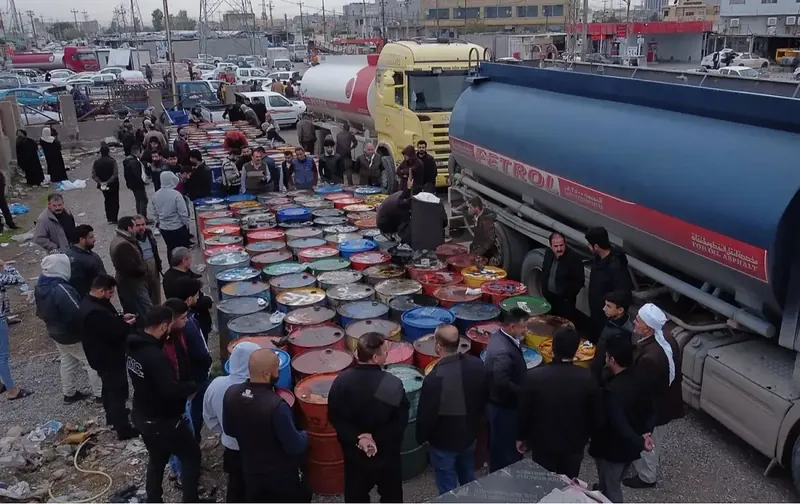
What happened?
Iraqi Oil Ministry spokesperson Selim Rukabi announced on Thursday, 12 November 2026, that all procedures required to send kerosene to the Kurdistan Region had been completed. According to Rukabi, the ministry formally informed the Baghdad office of the Kurdistan Regional Government (KRG) that it had been ready for delivery since 8 November.
"The Oil Ministry and the Oil Products Distribution Company have completed the special approvals needed to supply kerosene to our citizens in the Kurdistan Region, and the process has reached the stage of issuing the supply order," Rukabi said. According to the spokesperson, it is now up to the relevant parties in the Kurdistan Region. These parties need to complete their own procedures to receive and distribute the allocated amount.
Governor Omêd Xoşnaw said on Wednesday, 11 November, that preparations were in their final stage. "The Kurdistan Region needs 290 million litres of kerosene, but Baghdad has approved 50 million litres; this covers only 14 percent of the need," Xoşnaw said. According to the governor, distribution will start with mountainous areas as soon as the kerosene reaches Hewlêr.
Karzan Reûf, director of oil and minerals in , announced that transport operations had begun. According to Reûf, Dihok's share will be 10.7 million litres, the same as last year, including the Independent Administration, which is part of Dihok province.
According to Selam Omer, spokesperson for the Directorate of Oil and Minerals, the transport company must hold an official work permit both in the Kurdistan Region and in Baghdad. Omer noted that Silêmanî's share last year, together with , was 20.5 million litres. The spokesperson said they expected transport to begin next week.
The Iraqi prime minister decided on 2 November to send kerosene to the Kurdistan Region. The Iraqi Council of Ministers then formally approved 50 million litres on 4 November. The price per litre will be 250 dinars, the ministry's official tariff. A 200-litre barrel will therefore cost citizens 50,000 dinars.