Closure of state offices in Kobanê puts financial strain on residents
What happened?
State offices in , part of Aleppo province in (), are closed, the civil registry office among them. Residents' hardship continues as efforts to complete the integration of institutions have stalled.
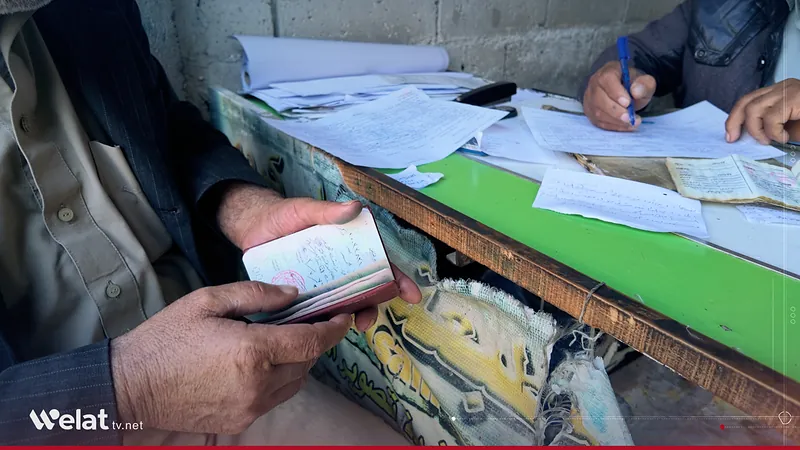
People in Kobanê cannot carry out official procedures in the city. They are forced to travel to Aleppo or to pay extra to intermediaries. For documents such as birth and death certificates, they go to the Aleppo Civil Registry Directorate, about 150 kilometres away.
Kobanê resident Ali Isa said a trip to Aleppo was needed for every document. According to Isa, this places a heavy financial burden on the public. He said travel and processing costs came to about 500,000 old Syrian pounds, adding that if a civil registry office opened in the city, the cost would not exceed 5,000 pounds.
Khalil Osman, who handles paperwork on behalf of others, said state offices in the city had been closed for about 12 years. According to Osman, the public has been left without basic services. Families bear high costs, particularly for their children's documents.
The problem is not only financial. Registration of births, deaths and marriages, inheritance documents and property transfers are also disrupted. Some children born during the years of administrative interruption have no official record of their birth. These children may face difficulties with their civil and educational rights.
Lawyer Ismet Ibrahim said Kobanê residents were struggling to register births and deaths. Ibrahim recalled that after the merger of institutions about three months ago, a promise was made to open service centres. He said these promises had not yet turned into concrete steps.
Residents want the offices reopened as soon as possible. They are calling for applications to be received and reviewed in the city and, when necessary, forwarded to Aleppo collectively. They also want procedures to be carried out at official fees, intermediaries to be monitored and cases of blackmail to be prosecuted.