Kormor attack deepens burden on Silêmanî traders
What happened?
The targeting of the Kormor gas field in the Kurdistan Region is directly affecting daily life and trade. Hours of electricity supplied by the nationwide grid have fallen sharply. Traders and shopkeepers are facing mounting losses and additional costs. Demands are growing for the Iraqi federal government in Baghdad to stop the attacks and pursue the perpetrators.
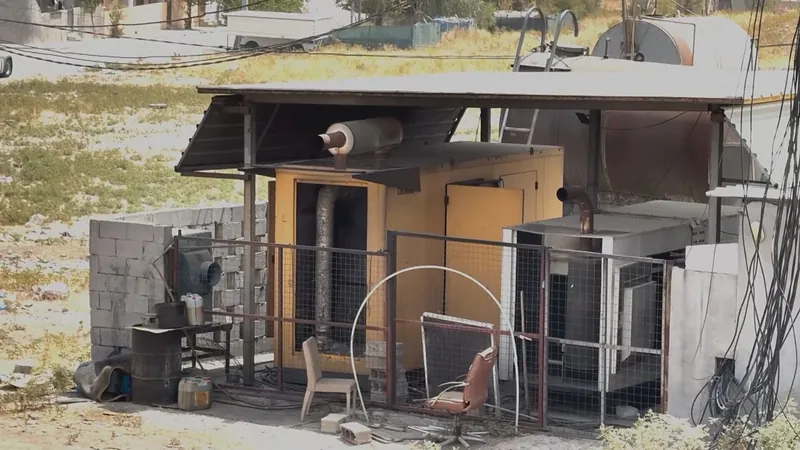
Serdar Pêncwînî, who sells fish in a market in , keeps his private generator running without switching it off. Pêncwînî said the generator has been running nonstop for about 40 hours. According to Pêncwînî, the grid supplied only three hours of electricity the day before. He said that even during that time he did not dare switch off the generator, for fear that the current would fluctuate. "Our work depends entirely on oxygen and water pumping; if the power is cut for just five minutes, all the fish will die and we will lose our business," Pêncwînî said.
A series of meetings was held between the Silêmanî district administration and the Private Generators Union. The meetings resulted in a decision to extend private generators' daytime and night-time operating hours to make up for the shortfall in the grid. The decision places additional costs on traders and citizens.
Observers argue that the attacks on Kormor serve political aims targeting infrastructure and stability. They contend that the intention is to stir anger by depriving people of gas and electricity.
Political analyst Kamîran Xerîb said the federal government's investigations do not get to the heart of the problem. "What is the use of investigation committees coming only to examine the site of the bombardment?" Xerîb asked. According to Xerîb, the committees should go to the points from which the drones take off. Xerîb said these points lie outside the borders of the Kurdistan Region and are under the control of illegal armed groups. He noted that the Sudani government, like previous governments, has also suffered from the behaviour of these groups. Xerîb asked whether these groups are part of the official security structure or rogue groups that do not recognise state authority.
Experts following the Kurdistan issue argue that the attacks are not ordinary sabotage. They regard the attacks as organised political pressure aimed at obstructing development in the region.