Kurdistan Region begins drafting 2026-2030 human rights plan
What happened?
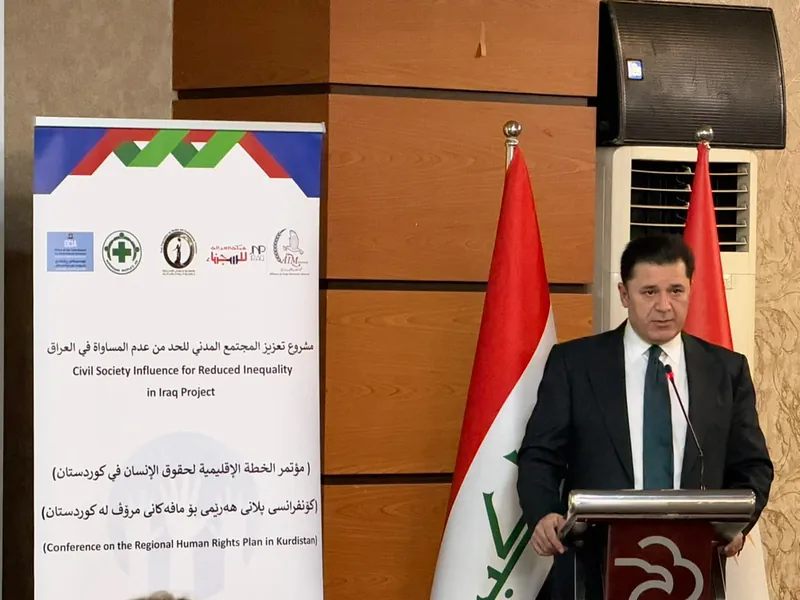
The Kurdistan Regional Government's Office of the International Recommendations Coordinator began preparations on Wednesday, 18 November 2026, for a new human rights plan covering 2026-2030. The preparations opened with a special meeting and dialogue session, organised together with the Iraqi Minorities Alliance Network, the Prisoners' Justice Network and the Rosa Organization for the Protection of Women and the Environment. The work is being carried out within the framework of the recommendations of the United Nations' Universal Periodic Review (UPR) mechanism.
The meeting assessed the experience and results of the previous plan. Participants identified the difficulties and shortcomings encountered in implementing the recommendations over the past period. They also discussed the new plan's priorities, strategic goals and common foundations. The aim is to clarify the responsibilities of government institutions and strengthen coordination among them. The work also aims to turn international recommendations into lasting steps on the ground.
International Recommendations Coordinator Dr. Dîndar Zêbarî outlined the main goals of the new plan. According to Zêbarî, these are to protect the Kurdistan Region's national and international position and gains and to unify the stance of institutions. Zêbarî said ten specialist reports had been prepared and a series of measures taken during the previous plan. He added that information sharing and official correspondence with international organisations were continuing. Zêbarî said the region's progress in the UPR process had been appreciated by some countries. These efforts must be sustained, Zêbarî said, and the Kurdistan Region's presence and position on international human rights platforms must be strengthened.
At the end of the meeting, a road map for drafting the new plan was discussed. The distribution of tasks to the relevant institutions, cooperation with civil society and mechanisms for monitoring implementation were also addressed.