Kurdistan Region traffic accidents down 70 percent in eight years
What happened?
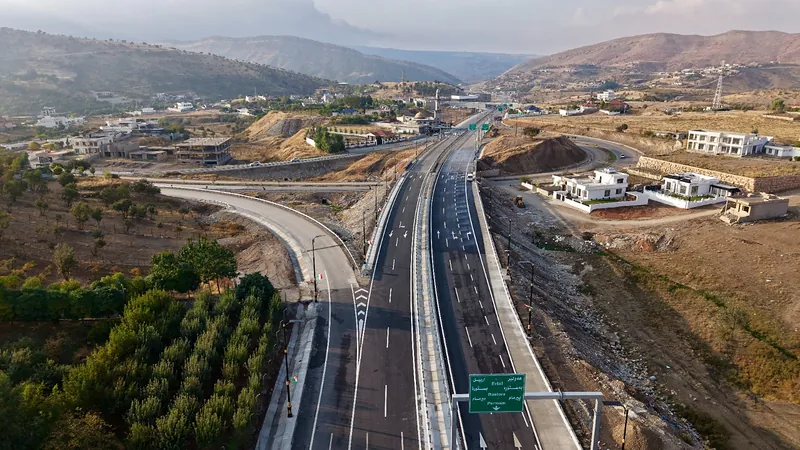
According to Kurdistan24, traffic accidents in the Kurdistan Region have fallen by 70 percent over the past eight years. The decline is attributed to sweeping reforms of the traffic system, which were accompanied by rapid development of road and bridge infrastructure. Smart enforcement cameras known as "point to point" have also been put into operation.
Ghanim Ujaili, a tourist, described the way traffic is organised in the region as "absolutely excellent", saying it "makes you feel like you are in a developed country." Ujaili said speed limits had been clearly set at between 60 and 80 kilometres per hour, adding that these limits were strictly enforced. In other regions, according to Ujaili, there are no signs and no enforcement, and vehicles can reach 200-300 kilometres per hour.
Xembar Seîd, a resident, said the cameras had markedly changed driver behaviour. According to Seîd, daytime accidents have almost entirely disappeared, especially in crowded places such as the industrial zone, while the few that remain happen late at night. Seîd said the layout extending from the 150-metre and 120-metre main streets to the 100-metre and 60-metre inner roads had calmed drivers down.
Colonel Hêmin Emîn, spokesperson for the Traffic Directorate, attributed the improvement to the alignment of urban development projects with modern engineering planning. According to Emîn, wide streets, bridges, tunnels and lane planning by the traffic engineering unit formed the basis of the traffic flow. Emîn acknowledged that the camera project had initially drawn criticism, but said the system had played a key role in curbing excessive speed and preventing loss of life.
According to data from the Kurdistan Region's Ministry of Health, around 661 people were killed in traffic accidents across the region in 2025. The figure marks a sharp decline compared with previous years, when the numbers of accidents and deaths were very high.
The change is attributed to the priority given to roads and transport by the ninth cabinet of the Kurdistan Regional Government. As part of this, dual carriageways and strategic roads linking the provinces and independent administrations were opened. Traffic systems were digitised, and traffic directorates began using smart technologies.