Kurdistan honey output jumps from 400 to over 1,000 tonnes in a year
What happened?
Honey production in the Kurdistan Region rose markedly in 2026. Annual output climbed from around 400 tonnes in 2025 to more than 1,000 tonnes in 2026, according to the Kurdistan Beekeepers Network. The network says some 15,000 beekeepers work in the region, managing around 800,000 hives.
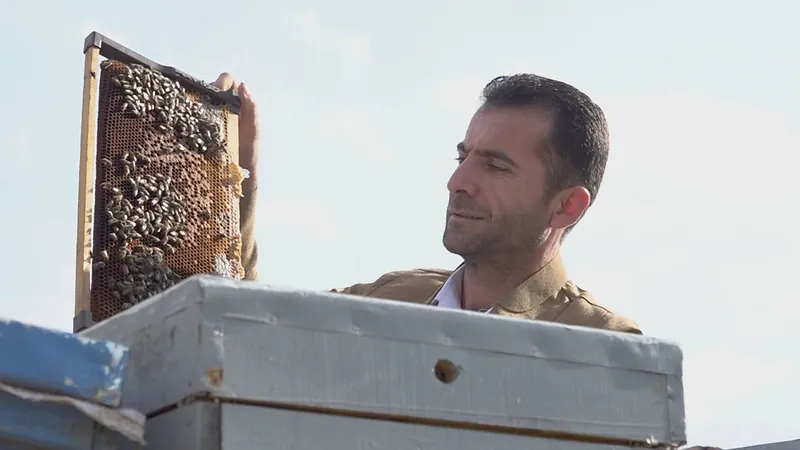
Serwan Kemal, a beekeeper in the Soran Independent Administration of the Kurdistan Region, said the 2026 harvest had been very abundant. Describing the increase in his own production, Kemal said: "This year we can say that production has risen roughly tenfold compared with previous years." This tenfold increase reflects Kemal's own experience, not the overall growth in the region.
Kemal is already preparing his hives for winter. He said he began the preparations in September and October. During this period he protects the bees against diseases and threats such as the Varroa mite. When temperatures drop, he insulates the hives by covering them. In very cold spells, he moves the hives to warmer places and brings them back in spring. "We start our preparations early, in September and October, so that we have an excellent season next year," Kemal said.
Honey seller Nafiz Nebî said this year's supply stood out in both quality and variety. "This year's honey is the highest-quality and best honey we have seen in many years, and it has reached the market in abundance," Nebî said. According to Nebî, four main types are sold on the market: honey from modern box hives, honey from traditional hives known as "khalif", strained liquid honey and wild honey from tree hollows. Nebî noted that tree-hollow honey was particularly plentiful this year. Nebî, who did not give prices, explained that prices vary by type.
The Kurdistan Region's geography and biodiversity offer bees a range of nectar sources. The region's honey has also gained recognition at international fairs and markets.