Children among the dead in Reqa floods, hundreds of families left homeless
What happened?
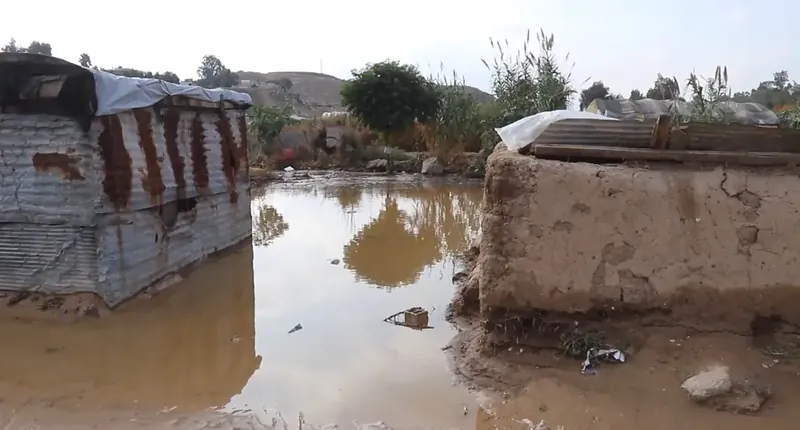
Floods caused by heavy rainfall in Syria's northern Reqa province submerged tents and homes. At least five people, four of them children, were reported killed in the flooding. Hundreds of families were reported missing or displaced. These families were suddenly left without shelter.
Footage from the Mikas camp for displaced people south of Reqa's city center showed the scale of the disaster. Residents tried to clear mud and rubble to salvage what remained of their belongings.
A resident named Ahmed el-Falih said the flood swept away everything his family had, including money and food supplies. "We're searching through the rubble but we can't find anything, we have nothing left. The flood hit us suddenly and completely destroyed my son's house," el-Falih said. He called on government institutions to pay compensation to those affected. He also called for food, bedding and other lost basic needs to be provided.
Official sources reported that five people, four of them children, died due to bad weather conditions. According to the same sources, seven people were injured to varying degrees. The same sources said five people are still unaccounted for.
Syria's Ministry of Emergency Affairs and Disaster Management announced that around 375 families were forced to leave their homes. According to the ministry, floodwaters swept through the Sehlet el-Benat, el-Yunani and Mikas camps in the Reqa countryside.
The flooding also caused severe damage to roads and bridges in many Syrian provinces. Emergency and rescue teams are continuing evacuations. Teams are draining water that has accumulated in buildings and clearing rubble to reopen roads.
Syria's meteorological authority warned of heavy rain, strong wind and hail until the early hours of Saturday morning. The warning is heightening concerns that humanitarian conditions will worsen in the disaster-hit areas.