People displaced from Girê Spî to Reqa complain of medicine prices
What happened?
Families displaced from Girê Spî, in Reqa province, who have taken refuge in the city of Reqa in Syria are finding it increasingly hard to obtain medicine. Treatment costs are rising, and the prices of some medicines vary from one pharmacy to the next. The situation weighs especially heavily on chronic patients, who are forced to hunt for the best price before buying their medicine.
Residents of the city said that the same medicine, in the same dose and packaging, can be sold at different prices in different pharmacies. They said they have had to compare prices to ease the financial burden, citing the rising cost of living and falling purchasing power as the reasons.
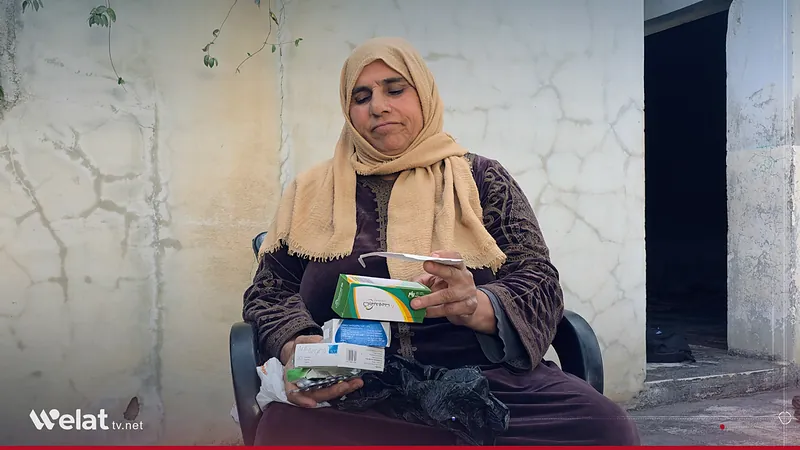
Edûl Elî, a Kurdish woman displaced from Girê Spî who lives in Reqa, said she has a heart condition. Elî said she needs about 50 dollars a week for her treatment. She said heart medicines are expensive and that prices differ between pharmacies. She added that her family's living conditions are hard and that they receive no aid or support of any kind. Saying she cannot afford her medicine costs, Elî called on the relevant institutions to help patients in need.
Muhammad Sheikh Muslim said he has heart disease, kidney disease and diabetes. He also said he had suffered a blood clot. Muslim said he needs about 300,000 Syrian pounds a week for his treatment costs. He said a pharmacist had helped him ease part of his medicine costs. Apart from that, he said, he receives no support and goes from pharmacy to pharmacy to find the lowest price.
The problem is not limited to high prices. Where prices are not clearly displayed, it becomes difficult to find out the official price of some medicines. Medicine prices depend on many factors, including the source of the drug, transport and distribution costs, the exchange rate and profit margins. The pricing and oversight mechanisms in place also affect prices.
Residents of the city want tighter oversight of medicine prices. They are demanding that pharmacies be required to display their prices clearly, and they also want an easy mechanism for filing complaints and checking official prices. Residents argue that these steps would narrow price differences and ease the burden, particularly on low-income people and chronic patients.