Şêrwan Şemîranî calls Silêmanî separation debate a pressure tool
What happened?
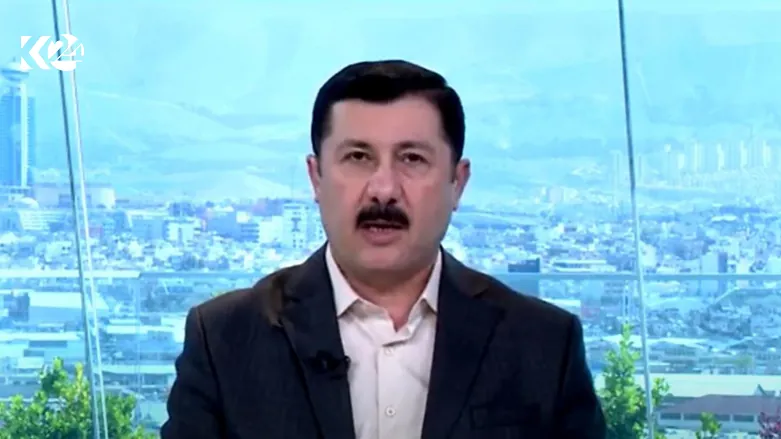
Political analyst Şêrwan Şemîranî discussed the debate over the separation of on Monday, 16 November 2026. In the analyst's view, separating Silêmanî in the Kurdistan Region or turning it into a separate region is not a popular demand. Şemîranî said raising the issue was a political reaction and a pressure tool.
Şemîranî said this pressure tool stems from the relationship between the Patriotic Union of Kurdistan (Yekêtiya Nîştimanî ya Kurdistanê, YNK) and the Kurdistan Democratic Party (Partiya Demokrat a Kurdistanê, KDP). He added that the paralysis of Kurdistan Region institutions has also led to it. He said division was unacceptable in every respect. The analyst also said Kurdistan did not face a real danger of division and that the situation would be overcome.
Criticising the dominance of partisan thinking over national thought, Şemîranî said: "All parties in Kurdistan must understand that the party is a tool to serve the nation and to liberate Kurdistan, not that the nation should be the servant of the party."
Şemîranî also addressed the signature campaigns in Silêmanî and the turn towards Baghdad. He recalled that the Iraqi constitution recognises the Kurdistan Region as a single federal region. According to the analyst, the constitutional powers were won through the struggle of the Kurdish leadership. "But when the institutions of the Kurdistan Region are paralysed and do not do their job, people turn outward," Şemîranî said.
The analyst likened the Kurdistan Region to a single house. He acknowledged that the grievances of the people of Silêmanî must be understood. Even so, he reiterated that division can never be accepted, historically or nationally. He also said it was wrong for Kurdistani parties to hold behind-the-scenes talks with Iraqi parties outside the region's institutions.
Finally, Şemîranî warned against repeating the experience of Hamas and Fatah. The analyst said the disputes between the two movements and the formation of two separate governments in Gaza and Ramallah since 2006 had brought an economic blockade and disaster to Gaza.