Region
Eastern Kurdistan
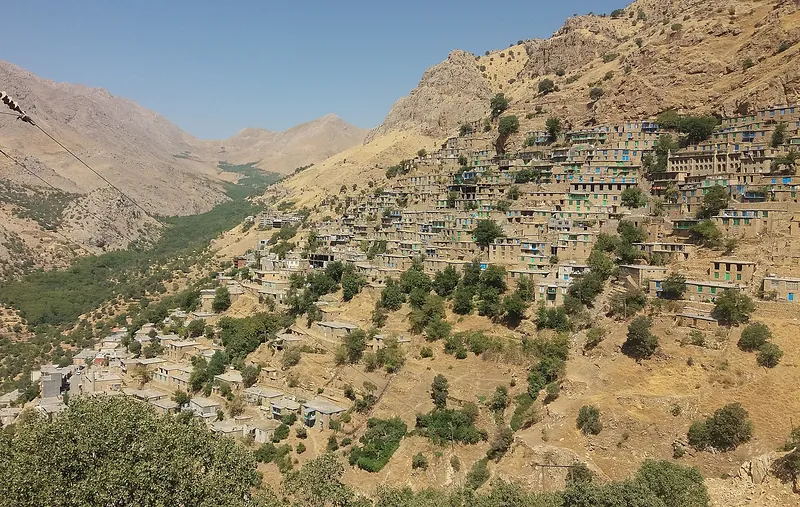
Eastern Kurdistan (Rojhilat) is the part of Kurdistan inside Iran. In Kurdish, the word rojhilat means "east". Rojhilat stretches along the Zagros Mountains from the area around Lake Wirmê in the north to Îlam in the south. Rojhilat borders Turkey and Iraq to the west. No single administrative unit in Iran corresponds to Rojhilat. Iran's Kurdistan, West Azerbaijan, Kirmaşan and Îlam provinces form the core of Rojhilat. The largest cities of Rojhilat include Kirmaşan, Wirmê, Sine, Îlam, Bokan, Mehabad and Seqiz. According to a 2025 note by the UK Home Office, estimates of the Kurdish population of Iran range from 7 to 15 million.
Soranî, Kurmancî, Southern Kurdish, Hewramî and Lekî are spoken in Rojhilat. In 2021 UNESCO added the Cultural Landscape of Hewraman/Uramanat, with its terraced Hewramî villages, to the World Heritage List. Most Kurds of Rojhilat are Sunni Muslims; Shia Kurds live in Kirmaşan and Îlam provinces, and Kirmaşan province is also home to Kurds of the Yarsan faith. The Erdelan and Mukriyan emirates stand out in the history of Rojhilat. Simko Şikak controlled the lands west of Lake Wirmê between 1918 and 1922. Qazî Mihemed proclaimed the Republic of Kurdistan in Mehabad on 22 January 1946. The Iranian army entered Mehabad in December 1946, and Qazî Mihemed was executed on 31 March 1947.
After the 1979 revolution, war broke out between Kurdish organisations and Iran's new government. Two secretaries-general of the Democratic Party of Iranian Kurdistan (Hîzbî Dêmokratî Kurdistanî Êran, PDKI) were killed abroad: Ebdurehman Qasimlo in Vienna in 1989 and Sadiq Şerefkendî in Berlin in 1992. Kurdish is not a language of instruction in the schools of Rojhilat, and Kurdish political parties are banned in Iran. Human rights organisations regularly document executions of Kurdish political prisoners and the killing of kolbars, the porters who carry goods across the border. The death of Jîna Emînî from Seqiz in morality-police custody in Tehran in September 2022 set off protests that spread across Iran under the slogan "Jin, Jiyan, Azadî".
Read more in the KRD21 encyclopedia
Related news
- Fire breaks out in Serdeşt forests in RojhilatA total of more than 75 hectares of forest and pasture have been damaged in 12 fires recorded in Serdeşt's pastures and woodlands since the start of this year, according to Bextiyar Xizriyan, director of natural resources in Serdeşt.
- Mobile cinema project brings Kurdish short films to DerbendîxanXefûr says the project's success depends on the continuity of screenings, more venues and the participation of local people.
- Crash in Îlam kills 3, including a baby, officials sayThe cause of the crash has not yet been determined and the injured are still being treated in intensive care, Îlam Emergency Director Mehdi Shabani said.
- Iraqi parliament extends its legislative termThe extension was decided by a vote, according to the Iraqi Parliament's Media Department. The parliament's presidency frequently takes this step because of a backlog of draft laws and political disputes.
- Selmas flood kills three, Iranian Red Crescent saysThree people were killed and three others injured in the flood in Selmas, the Iranian Red Crescent Society said. The flood left 161 people without shelter.
- Teacher Mona Debax sent to prison in Sine, KHRN saysAccording to a KHRN statement, the 2-year-6-month prison sentence handed to Debax on the charge of "propaganda aimed at strengthening the Zionist regime" was increased to 3 years and 6 months by the appeals court.
- Bokan in Rojhilat holds 26th kite festivalAccording to festival director Areş Nasirî and Mihemed Meqsûdî, the official in charge of public sports in Bokan, such events contribute to the development of sport and the strengthening of social ties.
- Komalaya Zahmetkêşan says drone attack hit its campThe group's head of relations, Ali Ranjbari, said the attack caused no casualties, only material damage.