Region
Western Kurdistan
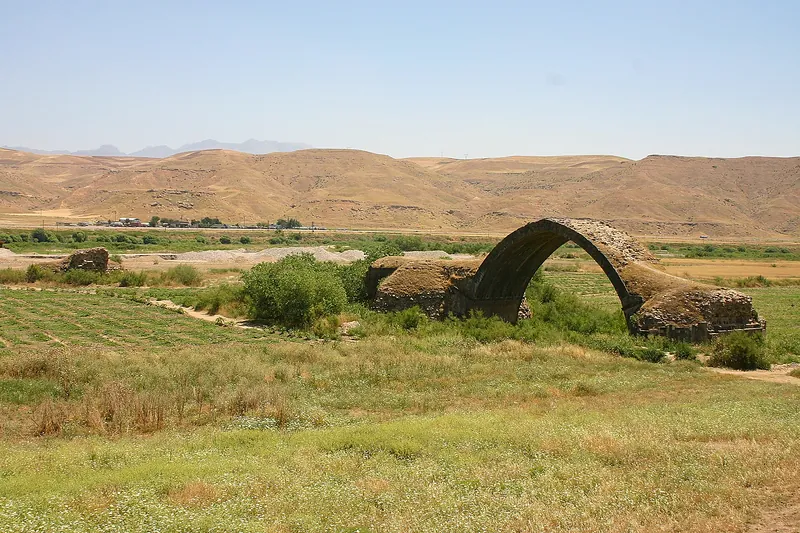
Western Kurdistan (Rojava) is the Kurdish homeland inside Syria. In Kurmancî, rojava means "west". According to the Kurdish scholar Mehrdad Izady, about 6 percent of Kurdistan's territory lies within Syria. Most Kurds in Syria speak Kurmancî.
The border between Syria and Turkey was drawn in 1921 largely along the Baghdad railway. Qamişlo grew up on the Syrian side of the railway line, facing Nisêbîn (Nusaybin). The first Kurdish political party in Syria was founded in 1957.
The Kurdish National Council (Encûmena Niştimanî ya Kurdî li Sûriyê, ENKS) was founded in October 2011 under the patronage of the Kurdistan Democratic Party (Partiya Demokrat a Kurdistanê, KDP). The Democratic Union Party (Partiya Yekîtiya Demokrat, PYD) is ideologically tied to the PKK. The Islamic State siege of Kobanê was broken in January 2015 with the help of Peshmerga forces from the Kurdistan Region. A Syrian presidential decree issued in January 2026 recognised Kurdish as a national language of Syria.
Read more in the KRD21 encyclopedia
Related news
- Tornado hits rural Amûdê, leaves injured and causes damageAccording to Ahmed Ali, the tornado destroyed three animal pens and a house; debris falling from the pens broke the bones of a woman and a child, and three animals died.
- Kobanê University students oppose name changeStudents criticized being forced to switch to Arabic after being educated in Kurdish, and demanded that their diplomas be recognized everywhere.
- Flood in Deir ez-Zor knocks out bridge, sweeps away young manAccording to the Syrian Civil Defense, a young man who tried to swim across the flooded riverbed despite warnings was swept away.
- Security forces in Hesekê detain ten people over sorcery allegationsAccording to a statement by the Anti-Human Trafficking Department and the Hesekê Directorate of Endowments, those detained will be referred to the judiciary for legal action.
- The nation state and the Kurdish questionAccording to Yûsif, the Kurds' national existence, language and culture must be constitutionally guaranteed, while political and administrative decentralisation does not weaken the unity of the country.
- Hesekê residents say rain turns some streets into lakesActivist Ahmed Muhammed claims that the unfinished merger of the Autonomous Administration municipality with the government municipality has weakened preparedness for and response to service problems, and that budgets have remained unclear.
- Mines are slowing returns to Serêkaniyê, says Mahmud HalilIncomplete security at some locations and randomly laid minefields are the biggest obstacles to returns, according to Mahmud Halil, deputy commander of internal security in Hesekê.
- War remnant explodes at school in rural Hesekê, killing a childAccording to lawyer Yusuf Hasan, some schools in the area were previously used for military purposes by the Syrian Democratic Forces, and the remaining war remnants pose a serious danger.
- Injured student describes attack on Kurdish-education protest in HesekêAccording to Gulcîn Hesarî, a student who was assaulted, people on motorcycles and some General Security personnel attacked students with sticks, cinder blocks and stones; shots were fired into the air and one student was wounded by a bullet.
- Seventh return convoy of Serêkaniyê's displaced leaves HesekêAccording to the Hesekê Media Directorate, the first group included 400 of the 847 families, and these families will disperse to their villages in the area's countryside.
- Closure of state offices in Kobanê puts financial strain on residentsKobanê residents, forced to travel 150 kilometres to Aleppo for civil registry procedures, have called for the offices to reopen.
- Killing of Asayish founder Ciwan Ibrahim announced belatedlyJournalist Hoşeng Osê alleges that the PKK purged Ibrahim and summoned him to the Qendîl Mountains over his anti-Iran statements.
- Erbet camp refugees say they cannot return until conditions improveRefugees in Erbet camp say a return to Rojava is not possible until the water crisis, unemployment and security problems are resolved.
- Hesekê Health Directorate receives medical equipment from Health MinistryAccording to the Hesekê Health Directorate, the shipment was made possible with support from the Qatar Red Crescent and includes medical supplies such as laboratory, sterilisation and kidney devices.
- Two Kurdish brothers killed in Şêxmeqsûd, local sources sayThere is reportedly discontent among residents of the neighbourhood because forensic procedures and the investigation have not been completed, and the brothers were reportedly called by phone before the attack under the pretext of a "reconciliation".
- Two girls killed by explosive remnant of war in DêrezorAround 700 people have been killed or injured by landmines and explosive remnants of war in Syria since the beginning of 2026, according to HALO Trust records.
- Rojava University asks Damascus to recognise its Kurdish characterAccording to a statement by the Rojava University Council, the merger decisions of the Ministry of Higher Education in Damascus fell short of expectations and were detached from the region's academic reality.
- Hesekê governor and ENKS stress need to keep dialogue goingNeşet Zaza, who headed the ENKS delegation, and the Hesekê governorate said that dialogue between political forces and social groups must continue.
- Storm causes over 50 grid and home faults in HesekêAccording to a statement by the Hesekê Province General Electricity Company, the storm caused more than 50 grid and home faults, and a 66-kilovolt transmission line was temporarily taken out of service.
- More than 10,000 Serêkaniyê families yet to return, Bilind Mela saysMore than 10,100 families displaced from Serêkaniyê are still waiting to return to their homes, according to Mela.