Region
Western Kurdistan
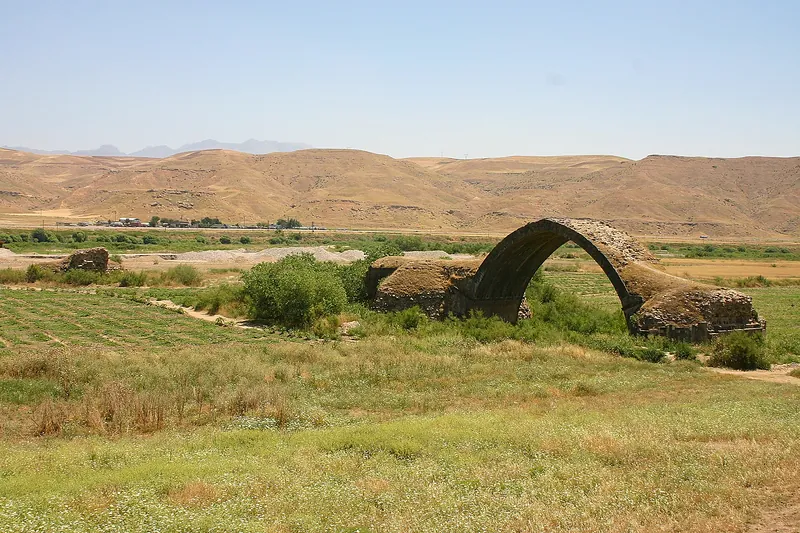
Western Kurdistan (Rojava) is the Kurdish homeland inside Syria. In Kurmancî, rojava means "west". According to the Kurdish scholar Mehrdad Izady, about 6 percent of Kurdistan's territory lies within Syria. Most Kurds in Syria speak Kurmancî.
The border between Syria and Turkey was drawn in 1921 largely along the Baghdad railway. Qamişlo grew up on the Syrian side of the railway line, facing Nisêbîn (Nusaybin). The first Kurdish political party in Syria was founded in 1957.
The Kurdish National Council (Encûmena Niştimanî ya Kurdî li Sûriyê, ENKS) was founded in October 2011 under the patronage of the Kurdistan Democratic Party (Partiya Demokrat a Kurdistanê, KDP). The Democratic Union Party (Partiya Yekîtiya Demokrat, PYD) is ideologically tied to the PKK. The Islamic State siege of Kobanê was broken in January 2015 with the help of Peshmerga forces from the Kurdistan Region. A Syrian presidential decree issued in January 2026 recognised Kurdish as a national language of Syria.
Read more in the KRD21 encyclopedia
Related news
- SOHR calls for independent inquiry into young Kobanê man's death at borderSOHR demanded that the incident be clarified through an independent and transparent investigation, and that those responsible be identified and held accountable.
- Qamişlo Palace of Justice reopens after two yearsAccording to Hesekê Governor Nureddin Ahmed, the new structure also covers the former judges, and the courts will now operate under the Ministry of Justice like those in other Syrian provinces.
- Currency crisis halts work at Qamişlo's wholesale marketSome people trading at the wholesale market in Qamişlo have called for a quick mechanism to regulate the joint use of the old and new currency.
- Three children die after eating poisonous mushrooms in ReqaSymptoms of poisoning appear within 3 to 6 hours and emergency treatment within the first two hours is essential to save lives, according to Nasser al-Ali, head of the gastroenterology department at Reqa National Hospital.
- Kurdish students in Hesekê protest for mother-tongue educationUnder a decision by Syria's Ministry of Education, Kurdish lessons have been limited to three hours a week, while Arabic has been set as the core curriculum.
- 373 families set out to return to Serêkaniyê, Zehra Simo saysAccording to Zehra Simo, Kurdish families could not join the return convoy because of the presence of armed men and of families from elsewhere in homes in Serêkaniyê city centre.
- Hesekê governor Nureddin Ahmed urges students to register for admissionsAccording to Governor Ahmed, university admission and official recognition of results depend solely on the rules approved by the ministry.
- Heating diesel allowance per family in Hesekê falls from 300 to 200 litresThe 45,000 litres of diesel allocated daily do not meet demand, according to Nevar Sabri, a member of the Hesekê Governorate's Energy and Communications Sector Executive Office.
- Kurdish National Council meets Kurdish opinion leaders in HamaAccording to Mohammed Ismail, unity and solidarity among Syrians from different backgrounds must be increased, and joint efforts are important to overcome the problems.
- Hesekê authorities begin distributing heating diesel at 115 poundsEach family has been allocated 200 litres of diesel and 45,000 litres are being distributed per day, said Nevar Sabri, a member of the Executive Office of Hesekê Governorate.
- Efrîn prepares 'first olive festival' to support farmersAccording to Kifah Murad, head of the Sons of the Olive Association, the festival aims to cut out intermediaries and secure a fair price for producers by bringing farmers together directly with traders and consumers.
- Kurdish movement faces a democracy crisis, says Muslim Şêx HesenAccording to Hesen, the way out of the crisis is not new statements but open acceptance of election results and respect for the principle of majority and minority.
- Water leaks shut down some wards at Qamişlo National HospitalAlan Şêxî, head of the hospital's Engineering and Maintenance Department, said most of the problem stems from old water and sewage pipes that have outlived their service life.
- Efrîn group asks al-Sharaa to return property and reveal fate of the missingThe signatories called for the free and unconditional return of confiscated property, disclosure of the fate of detainees and missing persons, and implementation in Efrîn of the decisions on Kurdish-language education.
- Kurdistan honey output jumps from 400 to over 1,000 tonnes in a yearAbout 15,000 beekeepers manage around 800,000 hives in the region, according to the Kurdistan Beekeepers Network.
- Mustafa Abdi says they will work in parliament for Kurdish rightsAccording to Mustafa Abdi, the agreement between the Syrian Democratic Forces and the Damascus administration has entered into force, and the integration of military forces and public security units has been completed.
- Fuel crisis leaves many families in Hesekê strugglingThe price of a 220-litre barrel of diesel has reportedly risen to about 300 dollars, while distribution of the heating allocation has not begun.
- Qamişlo school principal Xanî Hisarî reports shortage of desks and booksAccording to campaign coordinator Îman Îbrahîm, the freezing cold is threatening children's health and safety; activists are trying to provide desks and heating supplies using their own resources.
- Hesekê governor discusses reopening Popular Credit Bank branchesAccording to the Hesekê Governorate, the meeting discussed drawing up an action plan to reopen bank branches in Hesekê, Qamişlo and Dêrik that have been closed for years because of the war.
- Hesekê residents struggle with heating and living costsEconomist Tamir al-Muhammad said the rise in fuel costs could also feed through to food prices and called for cash or in-kind support for families in need throughout the winter.