Region
Southern Kurdistan
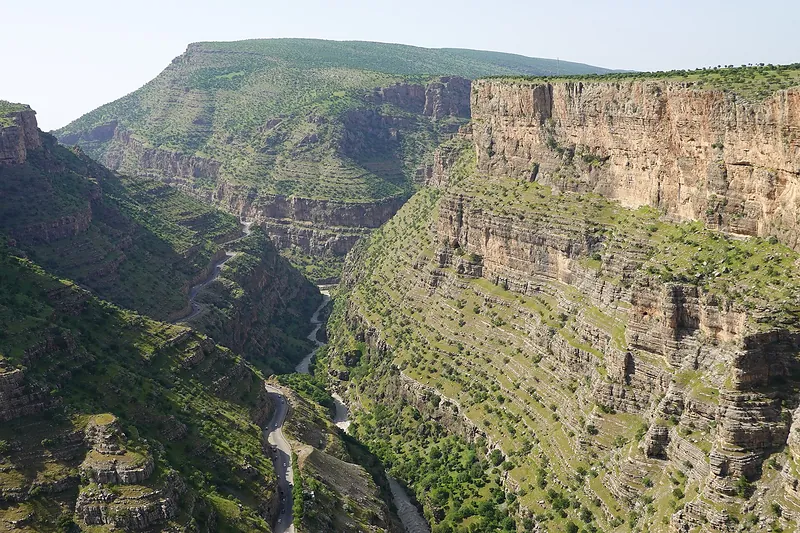
Başûr is the name Kurds give to the part of Kurdistan inside Iraq, and the word means "south" in Kurdish. Together with Northern Kurdistan (Bakur), Western Kurdistan (Rojava) and Eastern Kurdistan (Rojhilat), Southern Kurdistan is one of the four parts of Kurdistan. Most of the land of Southern Kurdistan is administered by the Kurdistan Region, whose capital is Hewlêr. The Kurdistan Region consists of the Hewlêr, Silêmanî, Dihok and Helebce governorates and is recognised by the Iraqi constitution as a federal region. Kerkûk, the Şingal district of Nineveh Governorate, the Xaneqîn district of Diyala Governorate, Mexmûr and the Nineveh Plains are disputed areas outside the Kurdistan Region's administration. Article 140 of the Iraqi constitution provides for the future of the disputed areas to be settled by a census and a referendum.
The Baban, Soran and Behdînan emirates ruled in Southern Kurdistan until the middle of the 19th century. Şêx Mehmûd Berzincî proclaimed the Kingdom of Kurdistan in Silêmanî in 1922. Mele Mistefa Barzani was elected, while in exile, president of the Kurdistan Democratic Party (Partiya Demokrat a Kurdistanê, KDP) in 1946. The September Revolution, led by Mele Mistefa Barzani, began on 11 September 1961 and ended after the Algiers Agreement of 1975. Celal Talabani founded the Patriotic Union of Kurdistan (Yekêtîy Nîştimanîy Kurdistan, PUK) in 1975. The Baath government carried out the Anfal campaign in 1988 and bombed Helebce with chemical weapons on 16 March 1988. After the uprising (Raperîn) of March 1991, the Kurdistan National Assembly was founded through the elections of 19 May 1992.
Peshmerga forces fought against ISIS from 2014 onwards. In 2016 the UN Commission of Inquiry on Syria found that ISIS had been committing genocide against the Êzîdîs of Şingal since August 2014. In the independence referendum held in the Kurdistan Region on 25 September 2017, 92.73 per cent of those who voted said yes. Iraqi government forces took control of Kerkûk on 16 October 2017. Alongside Kurds, Turkmens, Arabs, Assyrians, Chaldeans and Armenians live in Southern Kurdistan. Southern Kurdistan is also home to Êzîdî, Kakeyî and Christian communities. The economy of the Kurdistan Region relies heavily on oil, and oil revenue and the region's share of the federal budget remain a lasting dispute between Hewlêr and Baghdad.
Read more in the KRD21 encyclopedia
Related news
- Protests in Kerkûk over generator electricity price hikesAccording to Kerkûk police spokesperson Amir Şiwanî, residents' protests have stopped, but generator owners have begun a protest in front of the governorate building against a price cut.
- Journalists' dues missing in Hewlêr, inquiry commission saysThe commission decided to close the branch's building over irregularities and move the branch's management to the headquarters.
- Hewlêr ships 422,000 tonnes of produce to central and southern IraqAccording to Hêmin Seyîd Murad, demand for potatoes, onions and tomatoes in the central and southern provinces remains high and keeps rising because these products are among the staple foods of Iraqi families.
- Federal procedures completed for Kurdistan Region's October salariesStatements attributed to Iraqi Deputy Prime Minister Muhammad Tamim confirm a $500 million cash shipment from the United States, with the process expected to reach $3 billion over three months.
- Kurdistan Region reorganises tourist guide workCandidates for a guiding licence must meet more than 25 conditions, including having no criminal record and knowing the history and tourist areas, according to Soran General Director of Tourism Feysel Sadiq.
- Fehmî Burhan calls for Article 140 solution for Kurdistani areasBurhan says Baghdad's failure to abide by the constitution and the laws is the biggest risk, and that directed population growth in Kerkûk has upset the balance between nationalities to the detriment of Kurds and Turkmens.
- Iraq exports 500,000 barrels a day through Kurdistan Region pipelineEnergy experts say Baghdad is increasingly relying on the Kurdistan Region's infrastructure as a lifeline to avoid a severe financial crisis after tensions that led to the closure of the Strait of Hormuz.
- Kurdistan Region weather directorate forecasts heavy showersThe heaviest rain will hit Badînan and Hewlêr before the weather gradually settles, according to a forecast by the Kurdistan Region General Directorate of Meteorology and Seismology.
- Doctor and partner detained in Silêmanî, security source saysThe total amount collected is estimated at about 15 million dollars and the case has been transferred to the Silêmanî Asayish, the security source said.
- Iraq's Communications and Media Commission shuts four Korek exchangesAccording to the Commission, the move halted Korek Telecom's network coverage in 14 Iraqi provinces, excluding the three provinces of the Kurdistan Region; Korek Telecom said it had obtained an urgent court ruling.
- Mohammed Tamim puts Kurdistan Region's budget share at 12.7 percentTamim says there must be full transparency in the export of oil produced in the Kurdistan Region.
- Kerkûk residents protest higher generator power pricesThe price was set because of the shortfall in national electricity and high fuel prices, said Hewrî Zengene, an official at the Kerkûk district administration; about five police officers were injured in the protests.
- Kerkûk Provincial Council calls emergency sessionAbout 60 percent of Kerkûk's residents have taken to the streets and begun demonstrating after a rise in the ampere price, Kerkûk Police spokesman Amer Şiwanî said.
- Kurdish film wins two major awards in Mosul, IraqAccording to Ejî Ebdulla, the best actress award went to Berîvan Serbest, who plays the lead role in the film, and the best young director award went to Ebdulla himself.
- Baghdad plans to send 50 million litres of kerosene to the Kurdistan RegionThe regional government has asked the federal government for 268 million litres of kerosene to provide a 200-litre share for every family, according to a source at the Kurdistan Region's Ministry of Natural Resources.
- Hewlêr governor marks Kurdistan24's 11th anniversary, praises its seriousnessKurdistan24 has always maintained its position as a reliable source of news and information, according to Omêd Xoşnaw.
- Dihok governor announces water projects and transport supportUnder a decision by Dihok governor Elî Tetir, 28 minibuses have been allocated to transport staff and students of the Autism Center, the Hearing Impaired Center and four institutes serving people with special needs.
- Lebanese culture minister says Hewlêr has grown five to sixfoldAccording to Salamé, Hewlêr's size has grown five to six times; his last meeting with President Barzani took place in Paris during the most intense period of the war against ISIS.
- Dihok police say seven detained after brawlAccording to a statement from the Dihok Provincial Police Directorate, two people were injured in a brawl between restaurant employees and food delivery couriers, while seven people were detained by court order.
- Protesters demand dissolution of Kerkûk Provincial CouncilProtesters said that dissolving the Kerkûk Provincial Council and prosecuting negligent officials is the only solution.