Region
Western Kurdistan
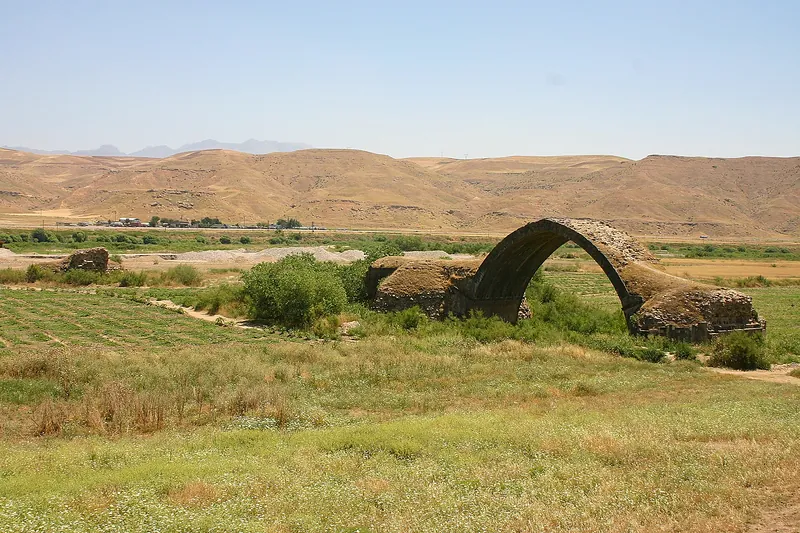
Western Kurdistan (Rojava) is the Kurdish homeland inside Syria. In Kurmancî, rojava means "west". According to the Kurdish scholar Mehrdad Izady, about 6 percent of Kurdistan's territory lies within Syria. Most Kurds in Syria speak Kurmancî.
The border between Syria and Turkey was drawn in 1921 largely along the Baghdad railway. Qamişlo grew up on the Syrian side of the railway line, facing Nisêbîn (Nusaybin). The first Kurdish political party in Syria was founded in 1957.
The Kurdish National Council (Encûmena Niştimanî ya Kurdî li Sûriyê, ENKS) was founded in October 2011 under the patronage of the Kurdistan Democratic Party (Partiya Demokrat a Kurdistanê, KDP). The Democratic Union Party (Partiya Yekîtiya Demokrat, PYD) is ideologically tied to the PKK. The Islamic State siege of Kobanê was broken in January 2015 with the help of Peshmerga forces from the Kurdistan Region. A Syrian presidential decree issued in January 2026 recognised Kurdish as a national language of Syria.
Read more in the KRD21 encyclopedia
Related news
- Xabûr water intake in Rojava's Hesekê reopens after 14 yearsAccording to a statement by the Syrian Ministry of Energy, putting the gate back into operation will supply irrigation water to some 12,000 hectares of farmland.
- Masrour Barzani says Kurdish presence in Syria cannot be deniedAccording to Masrour Barzani's statement, President Barzani's role in preventing disputes in Syria was a major achievement.
- Kobanê students seek easier conditions from Aleppo UniversityStudents said they feared being unprepared for exams because of heavy course content and language barriers.
- Water pumping resumes from Alok station to Hemme stationAccording to information provided by the company, water will not reach all neighborhoods of the city immediately; distribution will be carried out gradually according to the approved schedule.
- Committee member Ciwan Îso says returns stuck at 20 percentCommittee board member Ciwan Îso said none of the parties are taking the return process seriously and that there is no clear strategy for a safe return.
- Hesekê agriculture directorate reports drop in insect numbersAccording to the Hesekê Agriculture Directorate, a marked decline in insect numbers was observed after three days of work, bringing relief to local residents.
- Delayed wheat payments deepen currency losses for Reqa farmersFaisal Daham al-Shibli, director of the Agricultural Bank's Reqa branch, said about 75 percent of wheat dues had been paid and the remaining payments were expected to be completed.
- Fur coats return to clothing shop windows in HesekêAccording to traditional clothing tailor Ahmed Davud, making a "tafali" fur coat begins with selecting suitable lambskins, while the way the skins are tanned determines the coat's flexibility.
- All 36 archaeological sites in Efrîn damaged, says Bettal XelilWarplane bombardment, illegal excavations and refugee camps contributed to the destruction, according to Ayman Nabo, deputy director-general of antiquities in Syria.
- Qamişlo residents oppose division of Kurdistan RegionQamişlo resident Çeleng Mele Ehmed called on Kurdish parties to reach consensus instead of division and form a single government and a single region.
- First olive festival opens in EfrînAccording to the organisers, the festival showcases Efrîn's agricultural resources, above all olives and olive oil, as well as the region's cultural heritage.
- Hesekê governor Ahmed says security institution 80 to 90 percent operationalAccording to Hesekê Governor Ahmed, the security institution is now 80 to 90 percent operational, while the main difficulties lie in services and in unifying school curricula.
- Three polio cases confirmed in DêrezorSyria's Ministry of Health, in coordination with the World Health Organization and UNICEF, has launched the second round of an emergency vaccination campaign in Dêrezor covering more than 49,000 children under the age of five.
- UN says Syria-SDF deal hinges on Kurdish representationAccording to Cordone, more than a hundred Kurdish families trying to return to Girê Spî faced violence and intimidation; Cordone called for the violations to be investigated.
- Kurdish rights essential for stability in Syria, says Bassam al-KuwatliAccording to Kuwatli, the lack of transitional justice and of prosecution of those involved in violations means impunity leaves open wounds that can be exploited in new conflicts.
- Syrian foreign minister says Qamişlo border crossing will openTurkish Foreign Minister Hakan Fidan announced that agreement had been reached on establishing a Turkish-Syrian university in Damascus.
- Tractor hits landmine in Qizelî village of Girê Spî, driver woundedAccording to Said Nasan, displaced people returned to their villages in difficult conditions despite the danger of mines, and having to work in the fields increased the danger.
- Syrian demining teams sweep Damascus-Deir ez-Zor roadMore than 315,000 mines and items of unexploded ordnance left over from the former regime have been detected and neutralised, according to the Syrian Ministry of Defence.
- Rojava University students protest against tear gas useSecurity forces reportedly fired tear gas during a government education delegation's visit to the university, after students blocked the delegation from leaving the building.
- Hemrîn Ehmed Xelef calls for her brother's releaseAccording to Hemrîn Ehmed Xelef, a lawyer said no charges had been brought against her brother; Hemrîn Ehmed Xelef called on Mazlum Abdi and the Syrian government to release her brother and all detainees.